
Article by ShortDot
6 Ways to Educate Website Visitors and Support Confident Decision-Making
Nov 12 • 15 min read
Online (and offline) conversion rates depend directly on buyer confidence. Consumers who know they’re getting a good deal are more than happy to spend their hard-earned money. But those who aren’t entirely convinced they’re getting unmatched value are more likely to stall or abandon the buyer’s journey.
In fact, consumer behavior trends show that shoppers are slowly but surely slowing down their spending. According to recent data, conversion rates fell 6% since 2025, average order value rose 1.9%, and the number of times people shopped shrank 1.6%. In other words, most consumers are exhibiting value-seeking or value-hacking behavior. They’re buying less and thinking more about how to get the most value from each purchase.
The good news is that you can still encourage website visitors to move through the buyer’s journey and invest in your offer. All it takes? Educating your leads so they can make confident buying decisions they know they won’t regret.
This guide covers six effective ways to educate web visitors and support confident decision-making across the entire sales funnel. Let’s dive in.
Make Service Options Easy to Compare
What’s the first and most important element of building conversion-inspiring customer confidence?
Your primary job isn’t just to make leads feel safe and determined when choosing to buy from your brand. Much more importantly, it’s to ensure your unique value propositions resonate with and appeal to your target audience.
Today’s consumers don’t have much patience for irrelevant solutions. Research shows they regularly ignore marketing messages that don’t reflect their needs or priorities. Furthermore, they increasingly use AI for pre-purchase research because these tools deliver personalized shopping advice.
So, when a new visitor lands on your website, your most important job is to show them you offer the exact product or service they need to resolve their pain points.
The issue arises when you offer multiple service or product options, making it difficult for visitors to identify and choose what they need. This doesn’t necessarily have to be a conversion obstacle. But to encourage movement through the sales funnel, you must educate web visitors about your offer.
The best way is to create user-friendly comparison elements that help visitors distinguish between services that may initially appear similar.
Align options with customer personas. Highlight key features and benefits. Or use pricing to influence decisions. These education strategies help prospects clearly distinguish between options. More importantly, they boost customer confidence in prospects selecting the best fit for their needs.
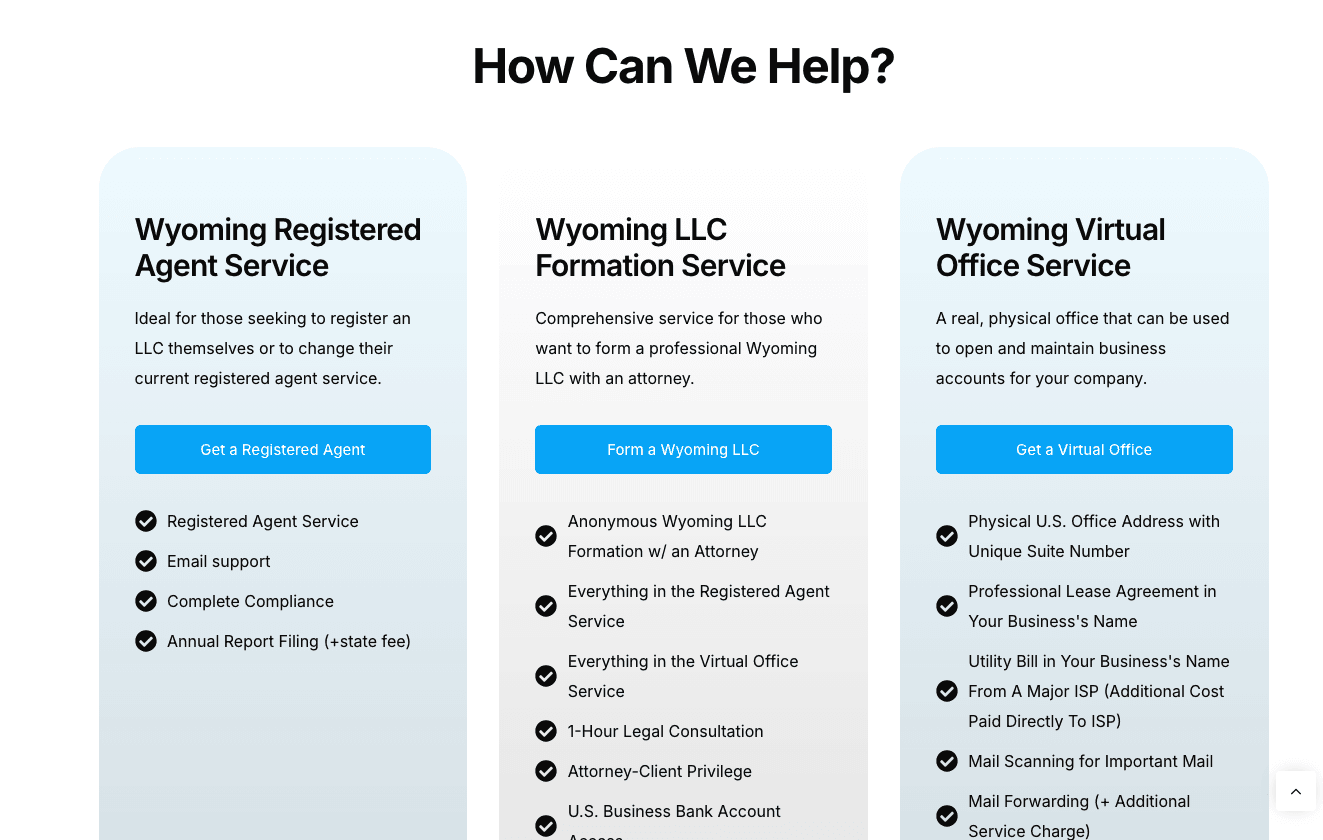
Look at the example below. Start in Wyoming implements this tactic by using side-by-side checklists to clarify each service (and who it’s for). By using tables to summarize what each option includes, this business effectively makes complex information easier to understand. It guides visitors to the best option for each customer pain point, improving prospects’ decision-making confidence and boosting purchase intent.
Source: startinwyoming.com
Explain the Process Step by Step
Value clarity is another key aspect of consumer confidence.
Leads who understand the value they will get by investing in a product or service are far more likely to convert (as long as that value aligns with their needs). However, consumers who aren’t sure what a transaction includes are much less likely to feel confident in a buying decision. In other words, they’re far more likely to hesitate about a purchase or even abandon the buyer’s journey.
Research on product and operational transparency in the buyer’s journey shows that managing customer expectations through product/service education delivers several tangible business benefits.
According to Harvard Business Review, customers who understand how a service works and what it involves are more likely to be satisfied with their purchase, are willing to pay more, and are more likely to become loyal clients. In fact, operational transparency boosts customer-reported quality by 22.2%, which is a significant improvement.
With this data in mind, one of the best ways to educate website visitors is to show them exactly what to expect before they need to decide or commit.
Break down services and experiences into clear stages. Explain what each stage involves. And highlight points in the process where customers need to provide instructions or approve results. This customer education strategy prepares leads to make an informed purchase decision by ensuring they fully understand what your offer does (or doesn’t) include.
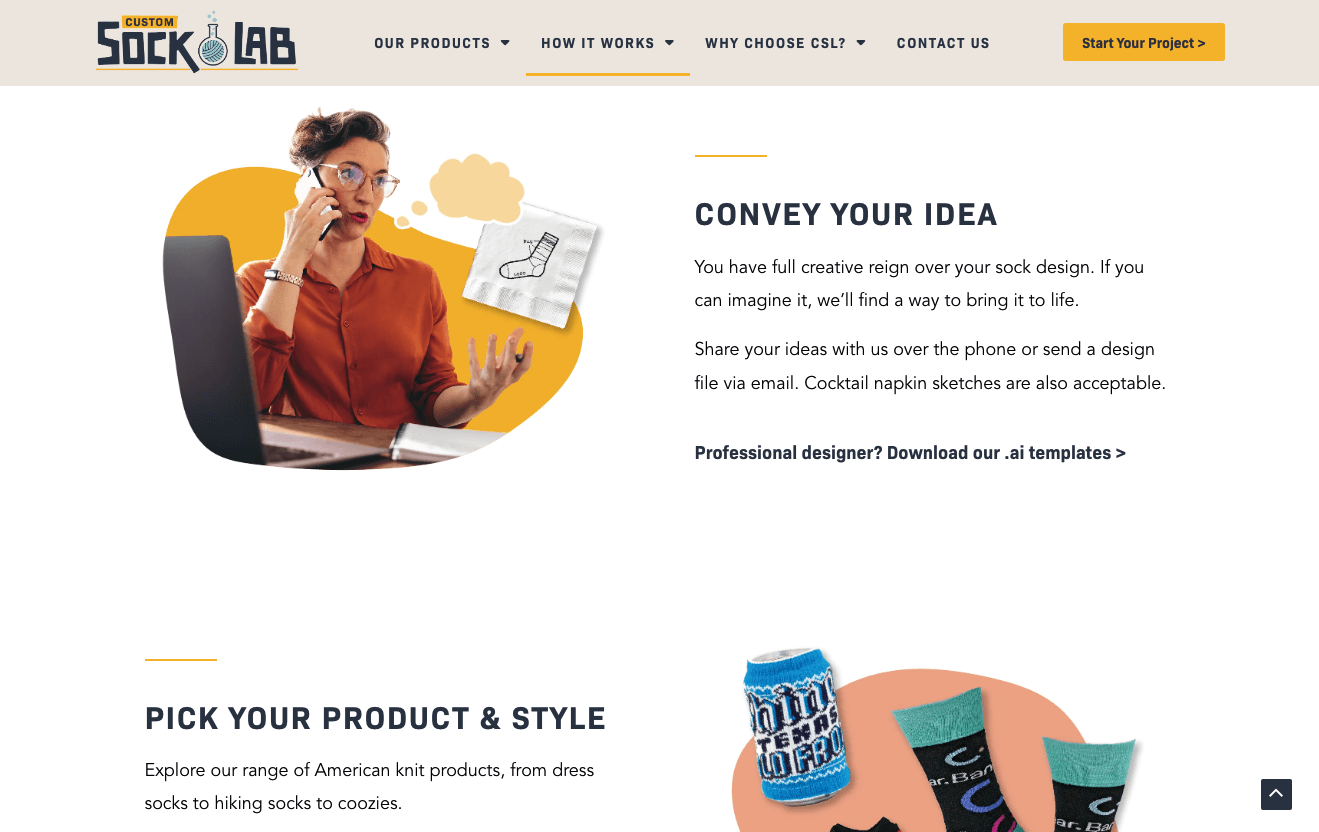
Look at how Custom Sock Lab explains the process of creating custom socks. This brand’s approach is an excellent example of why this tactic works. Firstly, the business gives web visitors crystal-clear information on lead times, shipping costs, and order minimums. Secondly, it breaks down the design, production, and delivery timeline into short, informative sections, managing customer expectations and boosting decision-making confidence among qualified leads.
Source: customsocklab.com
Organize Information Around Visitor Needs
Content complexity directly affects website conversion rates.
Research suggests that landing pages that feature grade 5 to 7 readability-level copy convert 56% better than those optimized for grades 8 to 9. The difference is small, but the implications are clear.
High conversion rates (and a solid level of customer confidence) demand user-friendly communication methods that predict and align with web visitors’ wants and needs.
One of the easiest ways websites can help leads process and comprehend complex product and service information is to organize it around visitor expectations, circumstances, and upcoming decisions.
Don’t create content around broad topic categories and hope prospects have the time (and cognitive capacity) to understand everything they need to. Instead, create educational experiences that follow customer pathways and deliver key information when it matters.
This approach can significantly simplify pre-purchase research. Plus, it can guide people toward resources relevant to their situation, automatically boosting the educational value they receive from your brand.
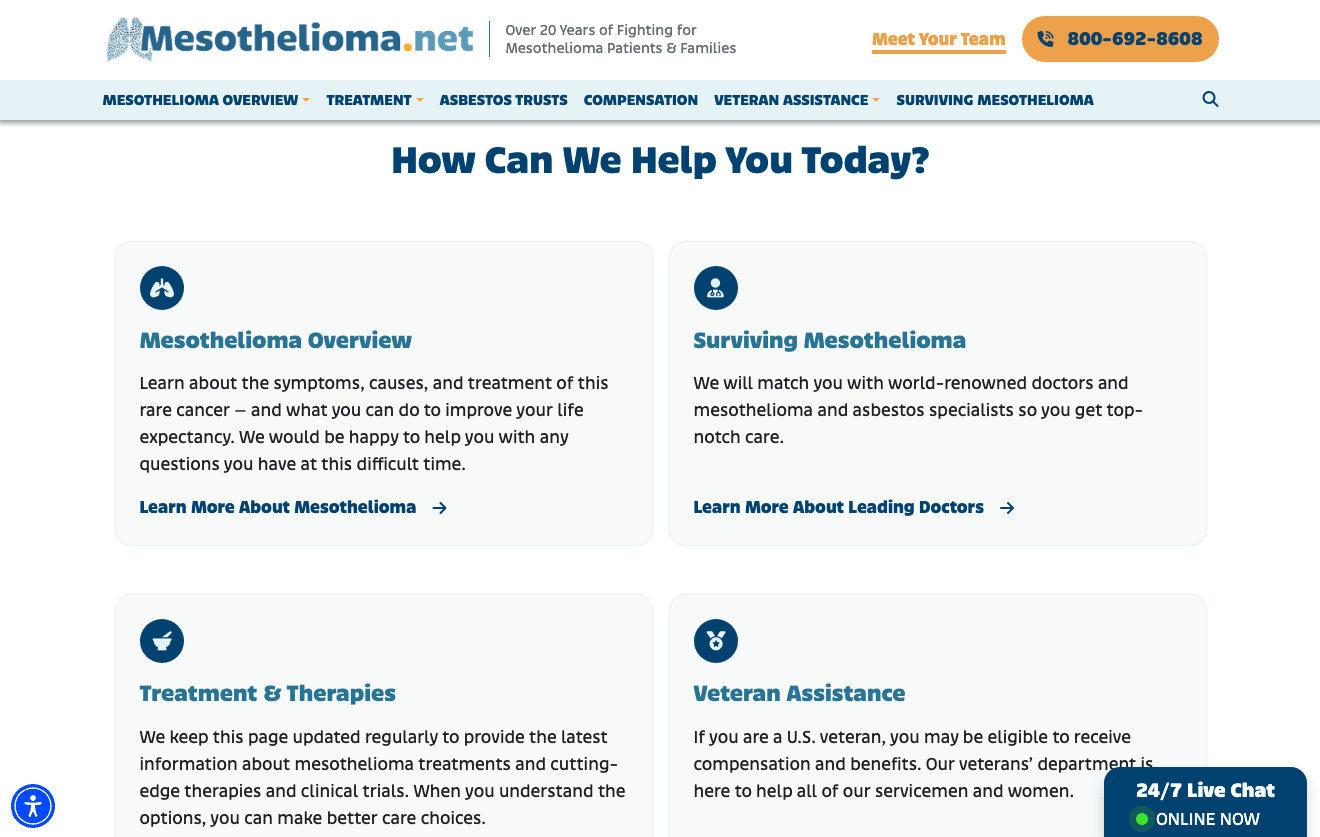
Mesothelioma.net is an excellent example of a brand that separates its educational resources based on web visitor needs. By categorizing resources around treatment, specialists, veterans’ benefits, and financial assistance, this brand ensures each potential customer finds the exact information they need. The strategy makes leads far more likely to extract unique value from the content. Plus, it encourages web visitors to form a positive perception of the brand and feel confident and safe when getting in touch with the organization.
Source: mesothelioma.net
Provide Comprehensive Decision Guides
What happens when consumers don’t feel competent enough to make an important buying decision? They become overwhelmed, confused, stressed, or frustrated.
These negative feelings lead to uncertainty, risk aversion, and even avoidance- powerful conversion obstacles that stop prospects from moving through the buyer’s journey.
The good news is that brands can avoid these negative effects by creating and distributing resources meant to guide leads through the decision-making journey.
With comprehensive guides that shine an expert light on major considerations behind buying decisions, businesses can use their industry know-how to help web visitors feel more confident in their ability to make the right shopping decision. However, these guides need to be highly value-oriented, focusing on explaining practical factors shoppers need to understand before committing to an option.
These can include lifestyle factors, amenities or product features, pricing and costs, ongoing considerations and commitments, or any pre-purchase questions shoppers need to answer before making a final decision.
This approach doesn’t just equip web visitors with the guidance they need to navigate a typical sales funnel. More importantly, it’s especially beneficial for big-ticket purchases where customer risk is high and where making the right buying decision affects customer satisfaction and brand reputation equally.
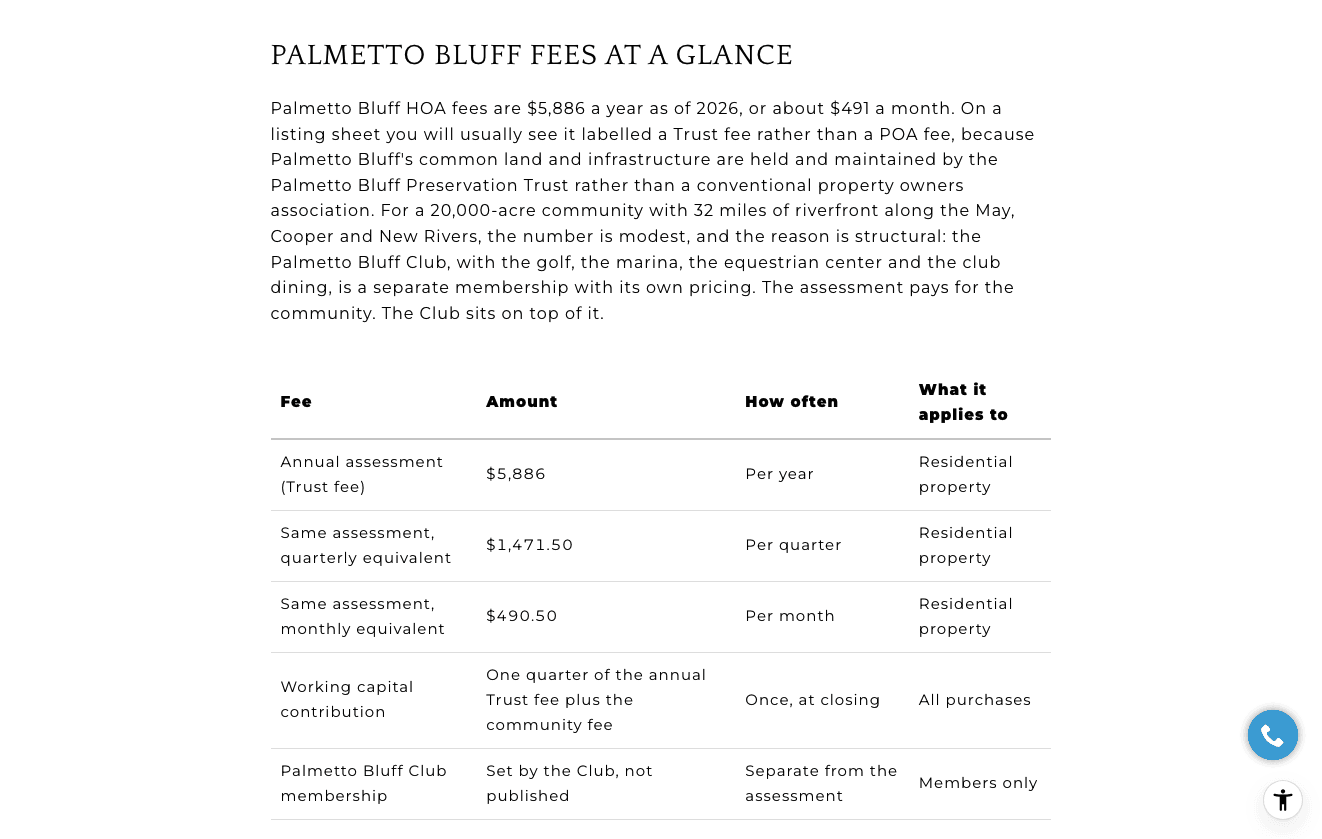
For example, the neighborhood guide to Palmetto Bluff on the John Sells Hilton Head website is an exceptional example of what a comprehensive decision guide should look like. As a resource that helps property buyers decide whether the area is right for them, this guide doesn’t just list the neighborhood’s benefits. It also covers details like ownership and HOA costs and pre-purchase considerations, knowing from experience these are just as, if not more, important to clients than lifestyle factors and amenities.
Source: johnsellshiltonhead.com
Explain the Criteria Used to Evaluate Options
One of the biggest traps of creating content that guides customer decision-making is that today’s consumers don’t always trust branded advice.
Credibility marketing and branding can remove this major conversion obstacle. But they’re not sufficient on their own, especially when targeting awareness and evaluation-stage consumers.
The good news is that high-quality content and transparency can overcome the initial risk aversion web visitors may feel when reading your advice about solutions they should choose to solve their pain points.
By explaining how you evaluate product/service options in your educational content, you can give web visitors peace of mind regarding your brand’s benevolence. Be clear about the standards you use to assess, select, or exclude certain options. And be fully transparent about preferred characteristics, evaluation factors, and selection priorities.
Transparency may not lead all readers to choose your products. But it’ll ensure prospects understand what to expect from your business, giving them the confidence needed to make a buying decision they won’t regret.
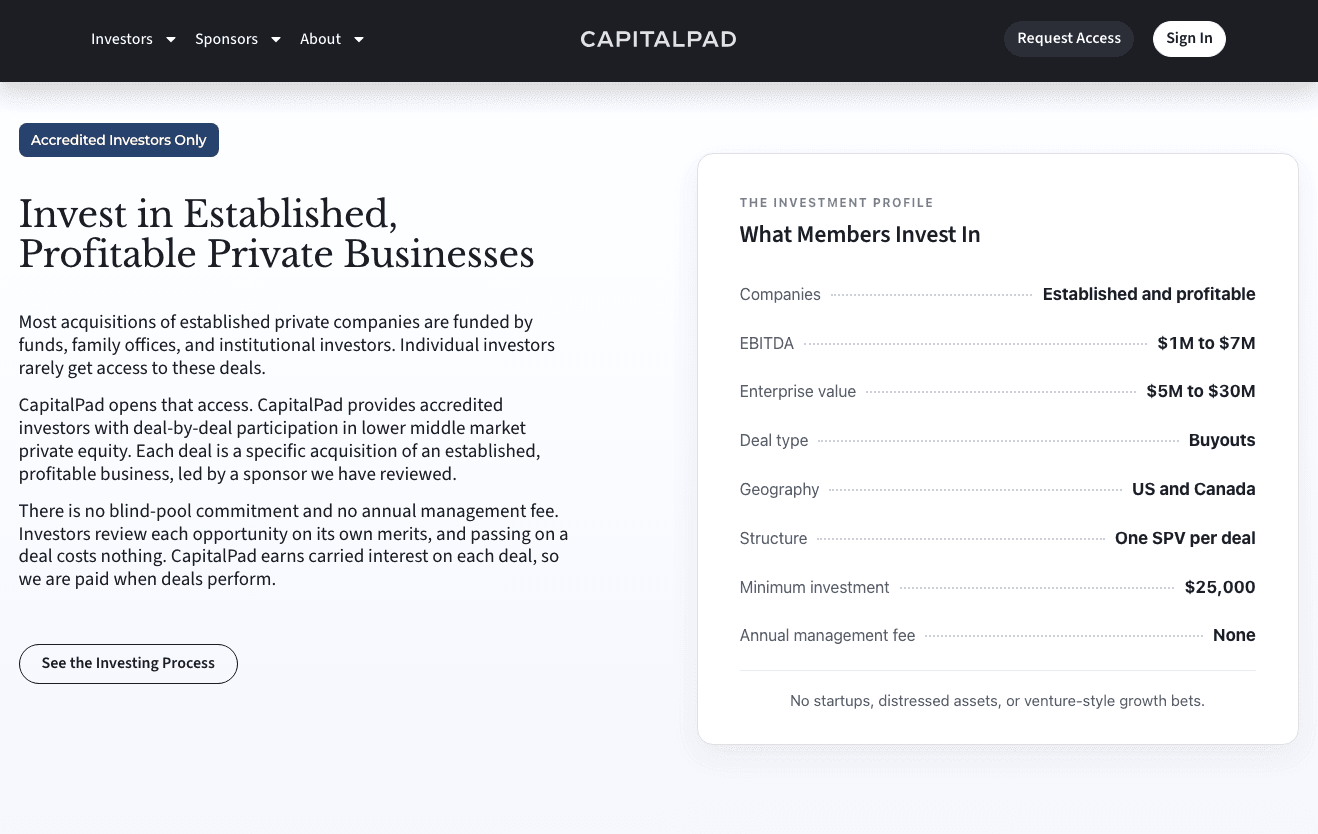
As an example CapitalPad, a lower middle market private equity firm, gives web visitors very specific explanations of who its private equity co-investment group is and isn’t for. It clearly outlines the investment profile it works with, explains how deals are vetted, and outlines what types of opportunities it does and doesn’t consider for members.
Source: capitalpad.com
Answer Common Questions at Key Decision Points
The final strategy for supporting confident decision-making through educational website content is to understand when web visitors are most likely to hesitate in moving through the sales funnel.
By identifying key decision points and the questions prospects have at these moments in the buyer’s journey, you can create targeted educational content that removes remaining uncertainties preventing leads from moving forward.
FAQs and question-based resources are a great way to do this. However, they have to be hyper-relevant to the buyer’s position in the sales funnel rather than providing generic information that’s easy to find elsewhere on your website.
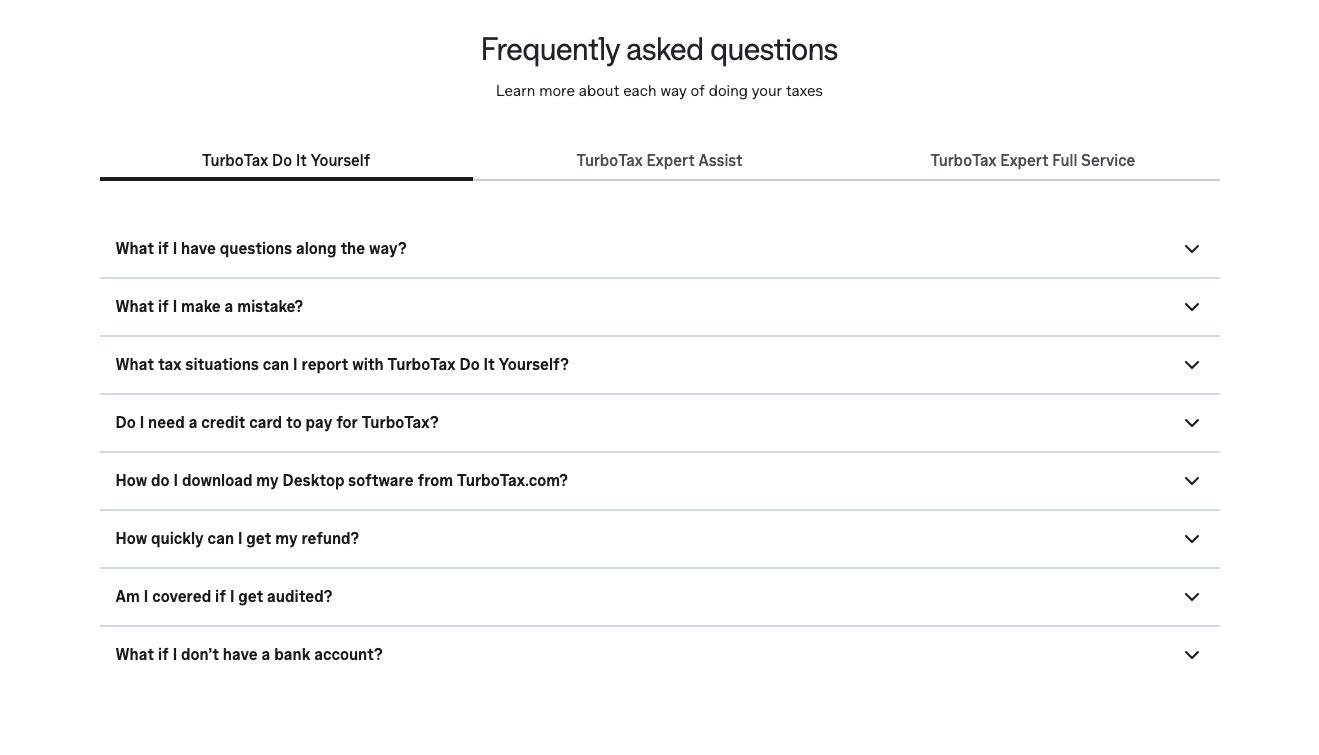
For instance, if you look at TurboTax, you’ll notice its service comparison page provides answers to very different FAQs based on the type of service customers are most likely to choose. This approach is an excellent educational choice, considering how greatly the brand’s service tiers differ. The specificity and relevance of the information provided are the exact type of reassurance website visitors need to make a confident buying decision, which automatically encourages movement through the sales funnel and inspires conversions.
Source: turbotax.intuit.com
Final Thoughts
Investing in customer education, at any stage of the buyer’s journey, delivers an impressive ROI. But its main benefits shine in boosting customer confidence, inspiring movement through the sales funnel, and removing common conversion obstacles preventing your leads from becoming customers.
The six web visitor education strategies outlined in this guide are the perfect method to help your leads feel more comfortable with the idea of buying from your brand. Give them a go, and you’re sure to see the benefits. Of course, to get the absolute most out of this approach, it’s essential to always align all content with your target audience’s unique needs. That way, you won’t just maximize their understanding of your offer. More importantly, you’ll show them your brand is the absolute best entity to help them resolve their pain points.